Game and Glory: Inside the soccer cultures, rivalries and rituals fueling the 2026 FIFA World Cup
(Gray Media) - For billions of fans, the 2026 FIFA World Cup is more than a tournament, it’s personal.
“Game and Glory” traveled to the world’s most soccer-obsessed nations to explore what drives that devotion: the rituals passed down through families, the rivalries that divide cities, and the raw emotion that unites a planet around a single game.
This docuseries explores soccer culture beyond the pitch—where identity, history, and pride collide.
“Game and Glory” gives fans a passport to the soccer-crazed nations that will bring their energy, pride and passion to North America’s biggest cities.
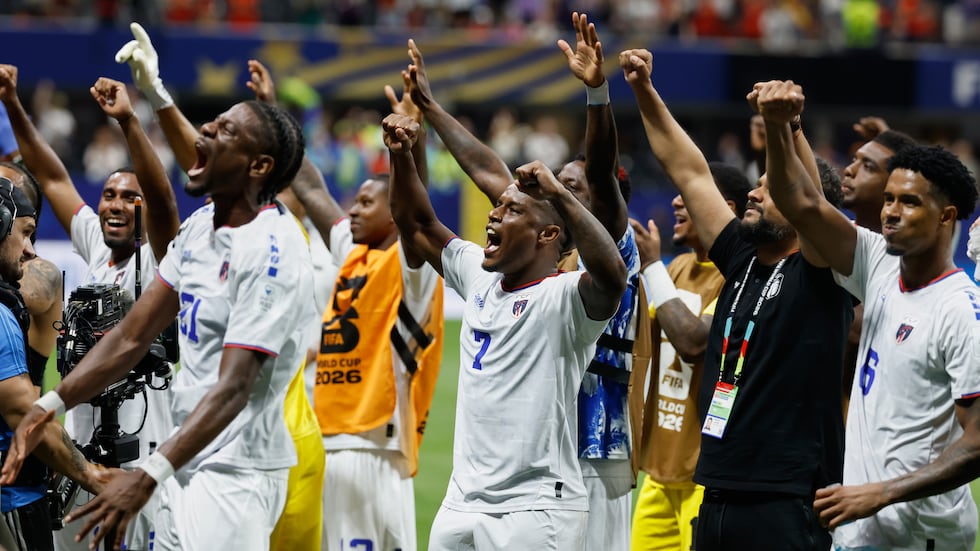
Blood, Rhythm and Belief: Spain and Serbia
In Spain, the game is an art form – fluid, expressive.
In Serbia, soccer is raw and emotional, a symbol of national pride shaped by grit, history and unwavering loyalty from ultras to grassroots.
From the elegance of tiki-taka to the thunder of Belgrade derbies, we uncover how football ignites hearts and unites generations.
Tradition and Total Soccer: Italy and the Netherlands
Steeped in tradition, defensive mastery and fierce regional pride, calico is a way of life in Italy.
In the Netherlands, the legacy of “Total Soccer” lives on, blending creativity and innovation.
From the electric ultras of Rome to the orange sea of Dutch supporters, we celebrate how two proud cultures continue to shape the soul and strategy of world soccer.
Copyright 2026 Gray Local Media, Inc. All rights reserved.